

The Evolution of Excise and Customs Warehousing: How One Provider Became the Largest in the Baltics
Introduction
In the dynamic world of spirits and beverages, excise and customs warehouse services play a critical role in the supply chain, particularly for alcoholic products. We support combined use of excise and customs warehousing. Optimize your supply chain by holding imports in customs storage before transferring them from excise facilities for final distribution—giving you full control over inventory strategy
The journey of excise and customs warehouse services is marked by an evolution that responds to changing regulations and market demands. As we delve into the various aspects of these services, we will highlight the benefits they offer not just to alcohol producers, but also to retailers and consumers, ensuring quality and compliance throughout the process.
Understanding Excise Warehouse Services
What is an Excise Warehouse?
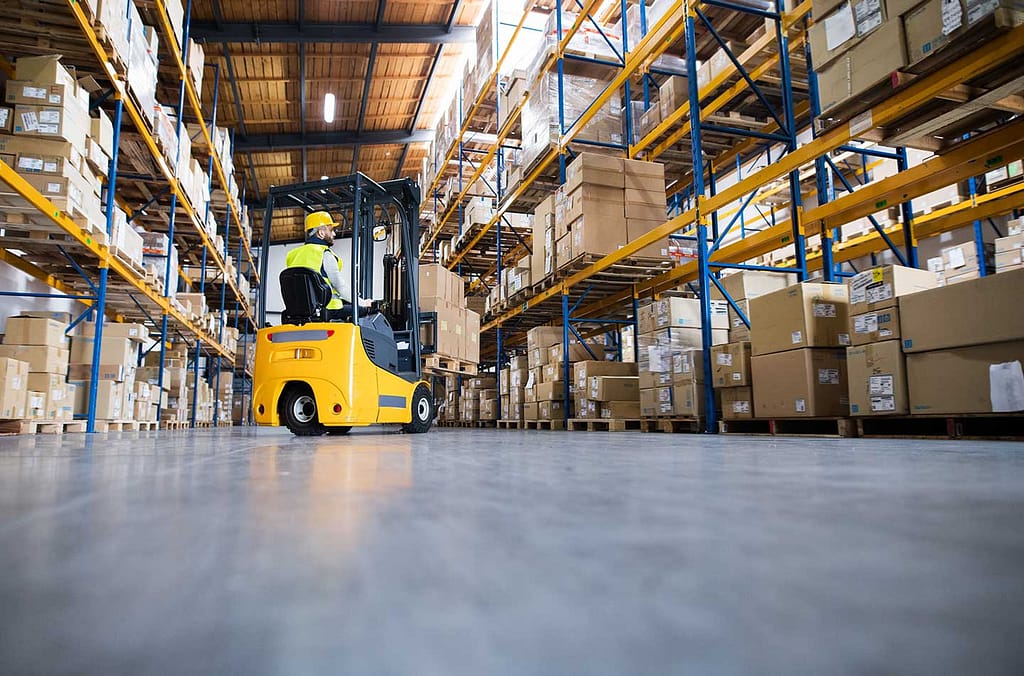
An excise warehouse is a facility where goods subject to excise duty (alcohol, coffee, tobacco) are stored before they are removed for consumption or sale. In the context of alcoholic beverages, this means that spirits can be stored without the immediate payment of excise taxes, provided they remain within the confines of the warehouse. This arrangement allows manufacturers to manage their cash flow effectively, as taxes are only paid when goods leave the warehouse for sale.
Excise warehouses must operate under strict regulatory oversight. They are required to maintain precise records of inventory and movements, which helps ensure that all relevant duties are accounted for. This regulatory framework is designed to prevent tax evasion and promote transparency in the industry.
Benefits of Using Excise Warehouse Services
Utilizing excise warehouse services offers several advantages to businesses in the spirits industry. First and foremost, it provides significant cash flow benefits; companies can defer the payment of excise taxes until the products are sold, which can improve operational liquidity. Additionally, excise warehouses are often strategically located near major distribution points, facilitating quicker access to markets. We have them available in Tallinn, Riga and Vilnius.
Furthermore, excise warehouses can provide enhanced security for valuable inventory. The facilities are designed to meet specific standards that ensure the safety and integrity of the stored products. This not only mitigates the risk of theft or damage but also helps brands maintain their reputation for quality.
Customs Warehouse Services Explained
Definition and Purpose of Customs Warehouse
A customs warehouse is a designated facility where goods can be stored without the immediate payment of import duties and taxes. Similar to excise warehouses, customs warehouses allow for the storage of spirits that are awaiting clearance by customs authorities. This service is essential for international trade, enabling businesses to import goods while managing duty payments effectively.
Customs warehouses facilitate the movement of goods across borders, allowing businesses to bring products into a market without incurring upfront costs. This flexibility can be particularly advantageous in a fast-paced industry where demand can fluctuate significantly.
Advantages of Customs Warehouse Services
The benefits of customs warehouse services are manifold. One of the primary advantages is the flexibility they offer in managing inventory. Businesses can store products for an extended period without the immediate financial burden of duties, which can be particularly useful for new product launches or limited-time offerings.
Additionally, customs warehouses help streamline the shipping process. By allowing companies to manage their duties and taxes more efficiently, businesses can focus on distribution and sales rather than getting bogged down in administrative processes. This efficiency not only saves time but also reduces operational costs, ultimately benefiting consumers through more competitive pricing.
Alcohol Stamping: The Process and Its Significance
What is Alcohol Stamping?
Alcohol stamping refers to the process of applying a tax stamp to alcoholic products before they are sold. This stamp indicates that the applicable excise taxes have been paid, serving as proof of compliance with regulatory requirements. The stamping process involves not just the physical act of affixing the stamp, but also the meticulous record-keeping associated with it.
The significance of alcohol stamping cannot be overstated. It serves as a crucial mechanism for ensuring that alcoholic beverages have met all legal obligations before reaching consumers. It also helps prevent counterfeiting and ensures that products can be traced back through the supply chain, enhancing accountability and trust.
Save time and streamline your operations. We handle high-volume stamping—over 3 million units monthly—allowing you to avoid the headache of planning for staffing peaks and fluctuations
The Role of Alcohol Stamping in Compliance
Compliance with alcohol stamping regulations is essential for manufacturers and distributors alike. Failure to adhere to these requirements can result in severe penalties, including fines and the potential loss of operating licenses. Moreover, consumers are increasingly aware of the importance of compliance in ensuring product safety and quality, making it a significant factor in brand loyalty.
Beyond compliance, alcohol stamping can also serve as a marketing tool. Unique designs and branding elements incorporated into stamps can enhance brand visibility and recognition among consumers. This dual purpose of compliance and marketing underscores the importance of a well-managed alcohol stamping process.
Our Commitment to Quality and Compliance
Ensuring Regulatory Compliance
Our organization places a strong emphasis on regulatory compliance within our excise and customs warehouse services. We maintain a dedicated compliance team that monitors changes in legislation and best practices, ensuring that our processes meet or exceed all legal requirements. This commitment to compliance safeguards our partners against potential legal issues and fosters trust in our services.
We also invest in advanced inventory management systems that track products throughout their journey in our warehouses. By employing technology, we can ensure that all movements are documented accurately, minimizing the risk of errors and enhancing accountability.
Quality Assurance in Warehouse Management
Quality assurance is at the heart of our warehouse management practices. We implement rigorous protocols for the handling and storage of spirits to ensure product integrity. Our facilities are designed to maintain optimal conditions for storage, including temperature and humidity controls that protect the quality of the beverages.
Regular audits and inspections are conducted to assess our operations and identify areas for improvement. This ongoing commitment to quality management not only meets regulatory standards but also enhances the overall experience for our partners and customers.
Partnerships with World-Known Spirits Brands
Case Studies of Successful Partnerships
Over the past decade, we have established fruitful partnerships with some of the most recognized spirits brands in the world. Examples are:
These collaborations have allowed us to refine our services and respond to the unique needs of each brand. For example, one of our partnerships involved a well-known sparkling wine brand that required a tailored approach to manage seasonal demand fluctuations. By leveraging our excise warehouse services, the brand successfully navigated peak periods without compromising on quality or compliance.
Another case involved a premium vodka brand that sought to expand into new markets. Utilizing our customs warehouse services, they were able to store their products closer to their target audience without incurring upfront duties, facilitating a smooth launch. These case studies exemplify the strategic advantages of partnering with an experienced warehouse service provider.
Testimonials from Our Partners
Feedback from our partners is a testament to the quality of our services. Many have commended our team’s expertise and dedication to compliance, emphasizing how these factors have contributed to their success. One partner noted, The meticulous attention to detail and proactive compliance initiatives have made a significant difference in our operations and peace of mind. Such testimonials highlight the value we bring to our partners, reinforcing the importance of collaboration in achieving shared goals.
Conclusion
The Future of Excise and Customs Warehouse Services
As the spirits industry continues to evolve, the role of excise and customs warehouse services will remain crucial. Emerging trends such as e-commerce and direct-to-consumer sales are reshaping the landscape, presenting both challenges and opportunities for warehouse service providers. Staying ahead of these trends will require adaptability and innovation, ensuring that we meet the changing needs of our partners and regulatory bodies.
Looking forward, we are committed to enhancing our services through technology and continuous improvement. By investing in advanced logistics solutions and maintaining our focus on compliance, we aim to support the growth and success of our partners in an increasingly competitive market.
Invitation to Collaborate
The partnership opportunities in excise and customs warehouse services are vast and can significantly enhance your operational efficiency and regulatory compliance. We invite you to collaborate with us and discover how our comprehensive services can benefit your brand. Through shared expertise and strategic alignment, we can navigate the complexities of the spirits industry together, ensuring a prosperous future for all stakeholders involved.
FAQs
What is the difference between excise and customs warehouse services?
Excise warehouse services pertain to the storage of goods subject to excise duty, primarily for alcoholic beverages, while customs warehouse services relate to the storage of imported goods before duties are paid. Both serve to defer financial obligations while facilitating efficient inventory management.
How does alcohol stamping work?
Alcohol stamping involves applying a tax stamp to alcoholic products, verifying that excise taxes have been paid. This process requires precise record-keeping and compliance with regulatory standards to ensure the authenticity and legality of the products.
Why is regulatory compliance important for spirits brands?
Regulatory compliance is critical for spirits brands to avoid legal penalties, maintain market access, and build consumer trust. Adherence to regulations ensures product safety, quality, and accountability throughout the supply chain.
Can I store my products in both excise and customs warehouses?
Yes, businesses can utilize both excise and customs warehouses depending on their specific needs. Products can be stored in customs warehouses upon import and later transferred to excise warehouses for local distribution, allowing for strategic inventory management.
What are the benefits of partnering with an experienced warehouse service provider?
Partnering with an experienced warehouse service provider offers benefits such as enhanced compliance, improved inventory management, and operational efficiency. Expertise in regulatory matters and logistical solutions can help brands navigate the complexities of the industry successfully.
EXCISE SERVICES
If you need a bonded warehouse space for your dutiable goods such as alcohol, tobacco, or other commodities we are there for you! We as an excise warehouse principal hold all necessary licences to receive, storage, despatch and release the goods for a consumption. Suspending and releasing the taxes, maintaining related reporting, we guarantee the future tax liabilities on behalf of our customers, so you would be able to use the deferred tax payments according to actual sales in local markets.
When your dutiable goods arrive to our excise warehouse we unload the goods, inspect, and identify the lot and batch numbers, verify quantity and quality of the goods, and prepare detailed report both for internal use and for governmental reporting. Arrived transport units get unique batch-based container ID for later inventory control, and further movement tracking. Once your goods have safely stored, we are continuously monitoring the stock accuracy both for efficient picking process and for adequate data of demand and supply planning.
To release the goods for consumption in respective markets our team of experts order the excise labels at the request of the product owner and performs the labelling work of excise stamps followed by the quality control. Excise stamps are handled and accounted with very strict procedures. The transport and storage both for excise stamps and goods in storage are covered by respective insurances.
We are proud to be the excise warehouse service provider and partner to many world known spirits brands for more than 10 years now.
Excise taxes are indirect taxes on the sale or use of certain products, such as alcohol, tobacco and energy. The revenue from these taxes accrues entirely to the country to which they are paid.
CUSTOMS SERVICES
Dependant on the location we hold the licence either ourselves or use close partners to provide the customs warehouse services for the goods movement coming or going outside of EU territory.
Customs terminal and warehouse services include the customs clearance for import and export of goods, the extension of time limit for customs duties, the CMR formation of transport consignment notes, preparation of necessary reporting also Intrastat if necessary.
Our experts are there for our customers in case further consultation regarding the legal barriers is needed.